
Moral ambition and good intentions don’t shift systems, levers do
There’s something infectious about Moral Ambition, Rutger Bregman’s latest book. It hits a nerve, especially for those who’ve long wrestled with how to do more than just “mean well.” I see it all over my screen: LinkedIn posts, discussions, and the growing presence of the School for Moral Ambition, guiding people who want to put their values to work.
And yet, I find myself torn. A little uncomfortable, even. Afraid to be accused to become a moral knight, as we say in Dutch? (For non-Dutch readers: it’s an ironic label for someone who seems to enjoy pointing out others’ failings.)
What does ambition mean if it stops at intention?
That’s the question I keep circling back to. What if we keep mistaking moral excitement for moral action? Bregman makes a compelling case: that ambition shouldn’t just be about status or success, but about doing good, seriously, structurally and unapologetically. And I fully share that belief.
Moral obligation, or perhaps better: moral action
For years, I’ve spoken about what I call my moral obligation to act, especially when people ask why I do what I do. Who I became. Why I’ve made certain choices in life. Why I’ve stayed committed to missions I’ve been pursuing throughout my life.
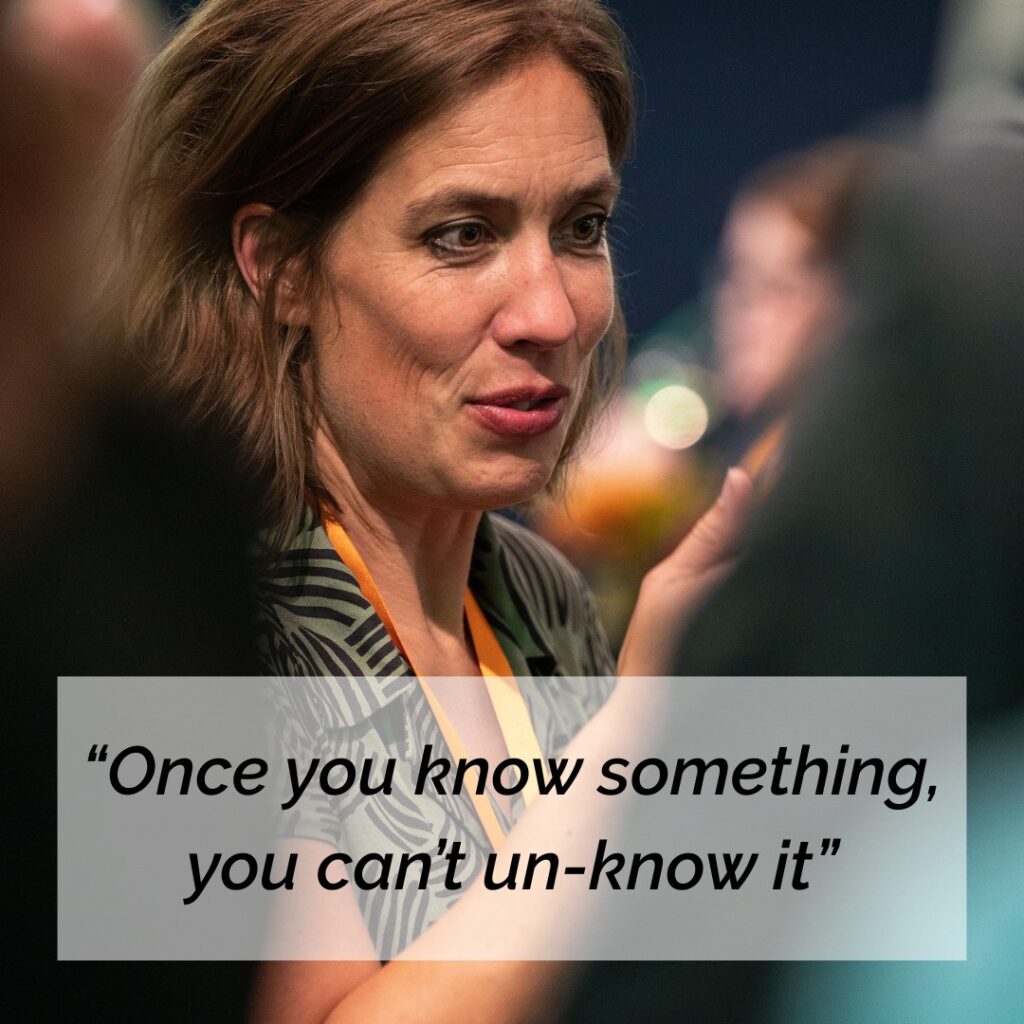
And I know that’s strong language. Maybe even too strong for some. But I’ve always felt that once you know something, you can’t un-know it. Once you’ve seen injustice, inequality, or inefficiency; whether in the classroom, in humanitarian crises, in global health systems or agricultural infrastructure, you can’t pretend it’s not there.
So, the real question becomes: What will you do with that knowledge? Maybe “moral obligation” feels too heavy. Maybe what we need is a shift toward moral action, the commitment to let what we know shape what we do. Not someday, but now. Not in theory, but in infrastructure.
Moral ambition is a vague currency without design
Because ambition, even moral ambition, becomes abstract if we don’t ground it in infrastructure: in criteria, systems, and choices. Wondering if I will be too provocative while writing this?
We don’t just need more people who want to “do good.” I believe we need people who know how to embed that good into action. In the world (humanitarian assistance, social impact and entrepreneurship) I work in, embedding this in supply chain design, donor frameworks, funding and investments, and much more. It means translating values into mechanisms. Into decisions.
From ambition to accountability
Let’s get practical. What if you are for example in procurement. If you are in charge of buying decisions in a multinational. How are you translating ambition into supplier selection criteria? Are you building resilient, local value chains instead of deepening dependency on global logistics? If your company champions parental leave, why not ask your suppliers to do the same?
This isn’t abstract philosophy. It’s operational. Measurable. And frankly, easier than we tend to think, if we’re willing to shift how we define success and impact.
Systems need levers, not slogans
In the end, it’s moral action that matters most. Action grounded in context, backed by structure, and reinforced by systems. It’s not enough to care, we need to operationalize what we care about. That means building tools, processes and mechanisms that make acting on our values not only possible, but inevitable.
Because if we want to truly shift systems, we need more than inspiration. We need tools, mechanisms and levers; embedded in how we work, spend, hire and build.
Because when we pair moral clarity with real-world levers, we don’t just imagine a better world.
We contract it.
We source it.
We build it.
One thought on “Moral ambition and good intentions don’t shift systems, levers do”
Comments are closed.